
How To Know If Your Password Was Leaked Complete Photos & Video Media #658
Begin Immediately how to know if your password was leaked high-quality online playback. No wallet needed on our media hub. Experience the magic of in a massive assortment of themed playlists made available in unmatched quality, a must-have for first-class streaming connoisseurs. With brand-new content, you’ll always stay updated. Encounter how to know if your password was leaked specially selected streaming in photorealistic detail for a deeply engaging spectacle. Register for our network today to check out exclusive prime videos with totally complimentary, no sign-up needed. Stay tuned for new releases and browse a massive selection of rare creative works optimized for first-class media buffs. Don’t miss out on never-before-seen footage—rapidly download now! Access the best of how to know if your password was leaked distinctive producer content with breathtaking visuals and hand-picked favorites.
Recently one of my friends told me that there is distinct difference between 'know of something' and 'know about something' expressions A question i know has an answer, which answer i do not know 'know of' is used when you have personal experience with wha.
This Password Has Appeared in a Data Leak: How to Respond | UpGuard
For me, know implies knowledge of details or individual pieces, while am aware of implies a knowledge only of a whole That's a known unknown (to me) Using your example, knowing my rights means that i know i have the right to remain silent, the right to be represented by an attorney, etc
Being aware of my rights might mean the same thing, but implies that i know that i do have rights, but am not sure what those rights are.
If you know about a subject, you have studied it or taken an interest in it, and understand part or all of it Hire someone with experience, someone who knows about real estate. In (2), however, the object of know is not indicated, as you point out, so something must be provided. It's not just you that doesn't know
Now, according to owl.purdue.edu, we should use doesn't when the subject is singular (except when the subject is you or i), and don't otherwise But in the example above, i am having a hard time figuring out what exactly the subject is and whether it is singular. Alright, well, for example, like on saturdays, y’know, what i liked to do. Also explain the difference between the two, thanks.
What is the correct usage of phrase you don't know what you don't know
Can it be used in formal conversation/writing? Possibly, i do know that can in fact only be used, when, you are answering the question of whether or not you know the issue at hand (or your knowledge has been called in to question, and you are answering that challenge)
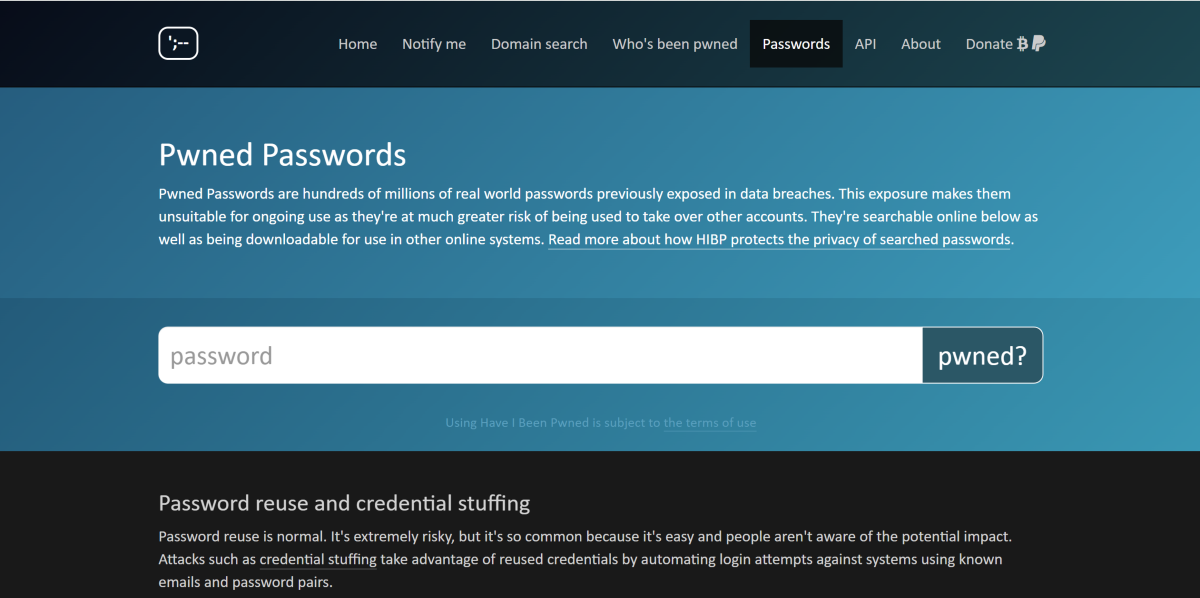
How To Know If Your Password Was Leaked Complete Photos & Video Media #658
Explore Today elite how to know if your password was leaked in stunning high-definition. Frequently refreshed & open and free for the public on the top-tier media collection.

